When a family steps inside a care home for the first time, they’re not simply taking in décor or facilities. They’re holding their breath a little. They’re carrying guilt, worry, sadness, hope – often all at once. They’re asking themselves the quiet question that sits beneath every other thought: Can I trust these people to care for someone I love?
The tour is the moment that shapes that answer.
You can have a polished website, beautiful photography and a brochure that ticks every box, but if the tour doesn’t land emotionally, families leave feeling unsure. When the tour feels warm, honest and reassuring, everything softens. Exceptional tours aren’t built on scripts or showmanship; they’re created through small, thoughtful moments that help people feel safe, seen and understood.
This is what that really looks and feels like.
It Starts Long Before They Arrive
A standout tour begins well before anyone walks through the door. It starts with the enquiry call – the first point where trust is either built or chipped away.
During that call, families are often nervous, overwhelmed and unsure of the “right” questions to ask. A calm, confident, unhurried approach goes a long way. When the person on the phone listens properly, explains things clearly and reassures without rushing, it gently lowers anxiety.
By the time the family arrives, your team should already know who is visiting, what is happening in their lives, and any concerns they mentioned. Perhaps their mum has recently fallen. Perhaps they’re struggling emotionally with the idea of a care home. Perhaps siblings disagree on the next steps. These details matter – not for sales, but for empathy.
When a team greets a family with genuine understanding of their situation, the tour stops being a “show-round” and becomes a personalised experience. That early preparation creates emotional safety before anyone has even said hello.
It’s important that whoever welcomes the family has access to the right information beforehand – whether that sits in a CRM, a shared spreadsheet, or a simple enquiry record. If call handling is outsourced, those notes should be handed over clearly and in good time, so families don’t feel like they’re starting from scratch or having to repeat themselves.
The Welcome Sets the Tone
The welcome is a defining moment. Those first 30 seconds shape the emotional tone for everything that follows.
A great welcome is led by connection, not information. Before families can take in anything practical, they need to feel settled and safe. That’s why those first moments focus on discovery – gentle questions, unhurried conversation, and space for families to share how they’re feeling.
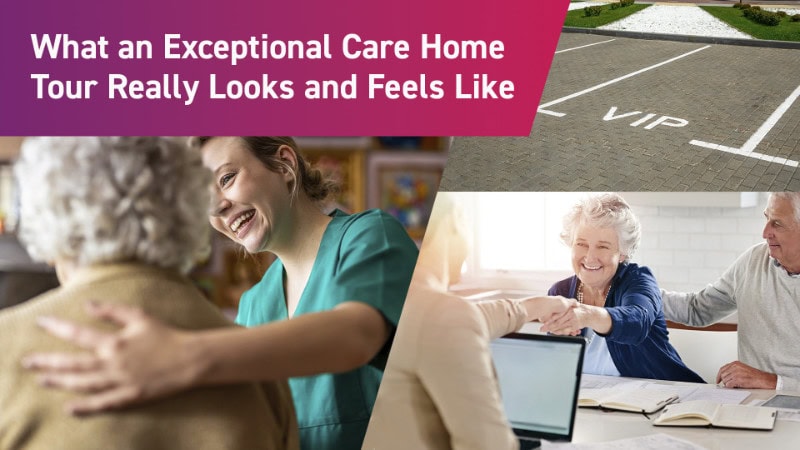
All of this is supported by the preparation that happens quietly in the background. The environment should already feel calm and cared for – from a clear, welcoming approach to the building, a tidy car park with space set aside for visitors, clean signage, and an entrance that feels looked after. Inside, the reception area is ready, rooms are prepared, and the team knows who is arriving and why. When these practical details are taken care of in advance, nothing pulls attention away from the human moment unfolding in front of you.
Families often arrive carrying weeks (or months) of emotional tension. A thoughtful welcome allows them to exhale. Slowing the pace helps them settle into the moment instead of feeling like they’re being processed. When someone asks, “How are you feeling about today?” it opens space for honesty.
That’s when families begin to relax. That’s when trust begins to form.
Show Real Life, Not a Show Home
Families want to see the home as it truly is. Not polished. Not staged. Just real.
They want to hear the natural sounds of laughter, conversation, and activity – not silence that feels unnatural. They want to see staff interacting with residents as they naturally would, not putting on a performance. They want to smell lunch cooking. They want to walk into a lounge where things are happening, even if that means a jigsaw puzzle being finished or a group activity going on.
Showrooms should feel lived-in and comfortable, not staged. A vase of fresh flowers, a well-loved armchair, a clock ticking softly on the wall, cushions and blankets that invite you to sit – small, homely details that make the space feel human. Families aren’t looking for perfection. They’re looking for reassurance that their loved one will be surrounded by warmth, familiarity, and everyday life.
Bedrooms should feel lived-in and comfortable. Families are reassured by seeing a bedside photo frame, a favourite blanket, and treasured personal items. A personalised welcome card, signed by the manager, can be a simple but meaningful extra – helping families picture their loved one already settling in.
Authenticity beats perfection every day of the week. It tells families, “This is real life, and your loved one will be part of something genuine.”
The Moments That Stay With Them
The most powerful moments on a tour are often the small ones. Some are thoughtfully planned in advance, others happen in the flow of conversation – but all of them feel natural because the groundwork has already been done.
They’re the details families don’t always notice consciously, but feel deeply: being greeted by name, a space reserved in the car park, a team member already aware of their situation. When these touches are prepared with care, real humanity has room to show up without feeling forced.
- A car park space reserved with your visitor’s name on.
- A photo album on reception that visitors can flick through, showing events and outings.
- A team member noticing a small detail about what someone is wearing and genuinely complimenting them on it.
- The manager remembering a detail from the enquiry call and saying, “I know your dad loves gardening – let me show you our outdoor space.”
Families leave remembering these moments, not your facilities list, but the moments you made them feel something. These moments build trust because they show care homes as places where people matter – not just residents, but families too.
This is what families talk about later, when they’re sitting around the kitchen table trying to decide the next step.
Less Presentation. More Conversation.
Exceptional tours don’t feel like presentations. They feel like conversations – gentle ones.
Families often arrive carrying guilt (“I should be able to cope on my own”), worry (“Will they be lonely?”), fear (“Are we doing the right thing?”), and sadness (“I can’t believe we’re here”). Some feel like they’ve failed their loved one.
A high-quality tour holds space for all of that.
It’s not about flooding them with information. It’s about giving them clarity at a pace they can absorb. It’s about answering questions calmly and simply. It’s about reading the emotional temperature and slowing down when someone looks overwhelmed.
When families feel understood, they stop bracing themselves. They become present. And that’s when they start to see your home clearly.
Sharing Benefits Through Conversation
Families don’t connect with features on a tour – they connect with meaning. A cinema room is just a room until it’s framed as a place where someone can revisit old favourites, laugh with others, or find comfort in familiar films. A garden isn’t about square footage; it’s about fresh air, routine, and moments of calm.
The role of the tour isn’t to list what the home has, but to bring it to life in a way that relates directly to what matters to that family. This comes from listening first. The right questions on the tour uncover what wasn’t said on the initial call – worries about loneliness, fears about loss of independence, or hopes that their loved one will still feel like themselves.
When benefits are shared in response to what families reveal, they land differently. They feel relevant, reassuring, and human – not like a sales pitch. That’s when families stop seeing rooms and start imagining life.
Let Families Set the Pace
There’s no single “right” way to do a tour – because every family arrives with a different emotional state and a different need.
Some want to see every corner of the building. Others want to sit quietly and talk through how the care works. Some are overwhelmed and need a slower pace. Others are practical and want crisp answers.
Exceptional tour teams notice the clues – body language, tone of voice, the pace of someone’s steps, and adapt effortlessly. They change the route if needed. They pause if a family member gets emotional. They offer a quiet space or a cup of tea if someone needs a moment.
This adaptability is not a “nice extra” – it’s the heart of emotional intelligence, and it dramatically shapes how families feel about your home.
Meaningful Introductions, Not Meet-and-Greets
Families don’t need to meet lots of people on a tour. They need to meet the right person.
Whenever possible, tours should include a brief, natural introduction to at least one team member who feels relevant to that family’s needs – a Home Manager, a nurse, a carer, the chef, a wellbeing lead, or even the gardener. These moments don’t need to be staged or lengthy. A warm hello and a short exchange is often enough.
Meeting someone connected to what matters most to them helps families picture daily life and builds confidence in the people behind the care. It turns the home from a building into a community, and reassures families that their loved one won’t just be supported by a service, but by real people who know them.
A Supportive, Pressure-Free Ending
The end of a tour is as important as the beginning. Families should leave feeling informed, supported and unpressured.
A gentle ending sounds like:
“Take your time. You’re welcome to come back whenever you want – perhaps for lunch or to join an activity. Whatever you need to help you decide, we’re here.”
Clarity matters too. Families should leave knowing what the next steps are: how availability works, who to contact, and what information they can take away.
A supportive ending often includes one last pause. An offer of another tea or coffee. A quiet moment to sit together and talk through what they can take away, at their own pace.
Rather than a stack of brochures, families should be given a small, thoughtful pack – information that’s relevant to them, such as menus, activities, and clear guidance on availability and pricing. It’s not about volume. It’s about helping them leave feeling grounded, informed, and able to reflect without pressure.
A warm, personal follow-up within 24 hours holds the relationship. Not a generic email. Something that shows you remember them – and their loved one.
This simple kindness builds more trust than most people realise.
Why Consistency Matters Behind the Scenes
This kind of experience doesn’t happen by luck. It happens because the team is prepared, aligned and trained.
A gold-standard tour experience is supported by simple, practical tools:
– a clear tour flow – but one that’s flexible, depending on the visitor’s needs
– enquiry notes that make emotional sense
– a preparation sheet so nothing gets missed
– confidence discussing fees
– gentle language for concerns and objections
– emotional-intelligence skills
– a consistent follow-up process
These tools help teams feel calm, confident and connected – which is exactly what families need from them.
When the team feels steady, the tour feels steady.
And when the tour feels steady, families trust the home.
When a Tour Is Done Well
When a tour is truly exceptional, families walk out thinking:
“That felt right.”
“They understood us.”
“I can imagine Mum living here.”
“They genuinely care.”
Not because the home was the fanciest. Not because everything was perfect. But because the tour felt human.
That is what helps families make one of the most emotional decisions of their lives with confidence and peace – rather than fear and doubt.
Consistency Matters – Even Out of Hours
Families don’t only enquire between nine and five. Often, it’s evenings or weekends – the moments when worry is loudest and decisions feel urgent.
That’s why it’s important that anyone who might welcome a family or handle an enquiry outside of usual hours understands the tone, the flow, and what really matters on a tour. This isn’t about delivering a perfect experience every time – it’s about avoiding a poor one.
A rushed, awkward, or overly practical response can undo trust quickly. A calm, confident, human interaction, even a brief one, reassures families they’re in safe hands and keeps the door open. When backup or weekend teams know how to hold that moment well, homes protect enquiries rather than losing them to competitors simply because no one was ready.
Support for Teams Who Want to Deliver Tours Like This
If your team wants to deliver tours that consistently build trust, strengthen confidence and naturally increase tour-to-move-in conversion, our tour training can help. It’s warm, practical and rooted in real expertise. Most importantly, it gives teams the confidence and clarity they need to offer families a genuinely reassuring experience – one they’ll remember for all the right reasons.
Ready to Strengthen Your Tour Experience?
Commercial Acceleration helps care homes transform their tours into genuine trust-building moments – experiences that feel warm, confident, and reassuring for families, while driving stronger tour-to-move-in conversion.
If you want your team to feel equipped, supported, and commercially confident, Commercial Acceleration’s Tour Excellence Programme can help you get there. The programme combines best-in-class checklists, practical tools, and realistic role-play training scenarios to upskill your team in ways that reflect the realities of care home life.
No scripts. No jargon. Just practical, human approaches that work.